
Poker Three Bet Strategy: Building Pressure Before the Flop
Most Australian players learn to play the flop first, then wonder why their stack keeps leaking when they face a raise before the cards even arrive. A disciplined poker three bet strategy flips that order, treating the pre-flop raise as a deliberate pressure tool rather than a default reaction. The idea is not to bully every hand, but to pick spots where position, range, and opponent habits line up, so the extra raise tells a story you can follow through the turn. When the approach is tuned to real table flow instead of textbook ranges, it becomes a practical way to control pot size, isolate weaker callers, and keep your decisions cleaner on later streets.
Reading the table before you reach for the raise
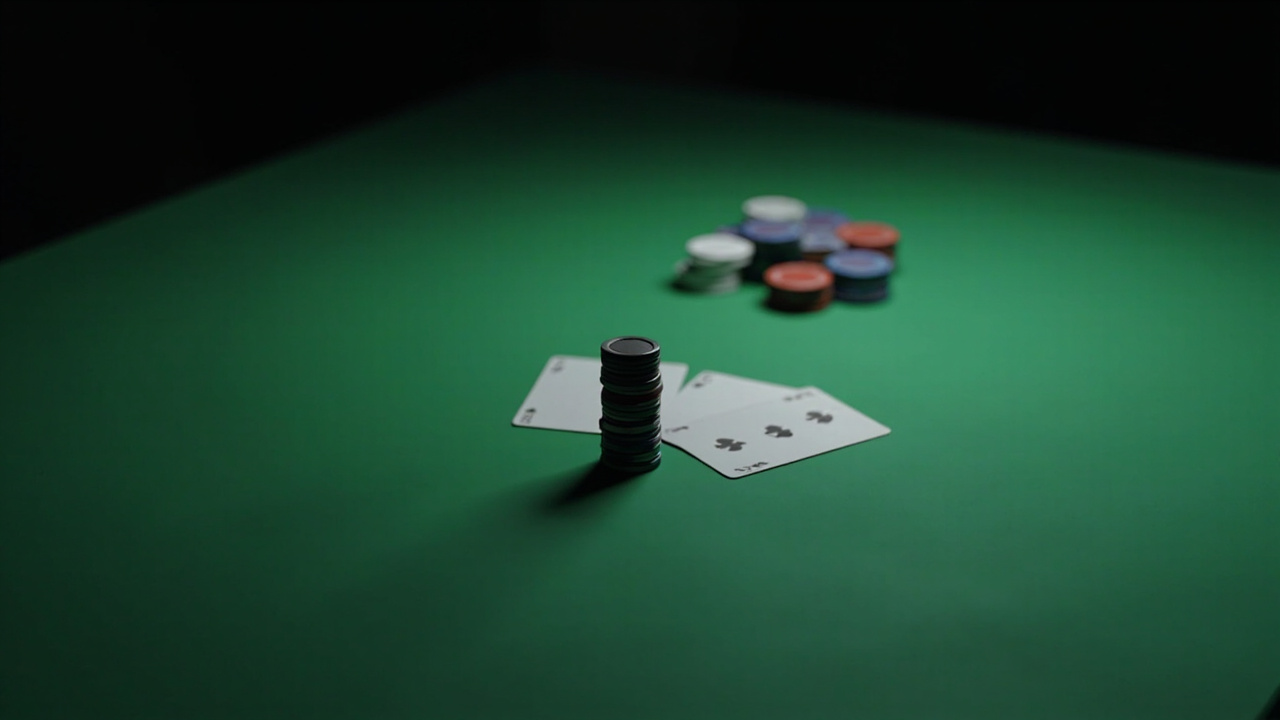
A poker three bet strategy only works when you know what kind of table you are sitting in, because the same raise that folds out weak hands at a tight Adelaide card room can get called down by a loose crowd all night. Start by watching how often players three bet themselves, how they react when you isolate them, and whether they tend to call with marginal holdings or fold to sustained pressure. If the table is passive and folded to you in late position, a well-timed three bet can take the initiative without burning a huge portion of your stack. If the room is already three-bet heavy, you need tighter ranges and clearer plans for post-flop play, because the raise alone will not do the work for you.
Position matters more than most casual players admit, and the difference between early and late position changes what a three bet is actually telling the table. From late position, the raise can represent a stronger range and put the blinds and callers in a harder spot, especially when you have a hand that plays well post-flop and can continue on multiple streets. From early position, the same raise reads differently and often needs more justification, so the hand selection should be tighter and the plan for what happens after the call should be decided before you move the chips. The goal is to make the raise part of a sequence, not an isolated gesture that leaves you guessing once the flop arrives.
Spacing your aggression also helps, because a poker three bet strategy loses its edge if you fire the same way every time. Mixing in the raise with hands that have good playability, then checking back or calling with others that want to see a cheap flop, makes your patterns harder to read and gives you more room to continue when the board runs your way. That kind of variation is useful in live rooms and online tables alike, and it is one reason players who treat the three bet as a planned tool rather than a reflex tend to hold their edge longer. For players comparing different online rooms while they refine that approach, a site like luckyelf-casino-nodeposit.com offers a practical reference point for how a poker-focused room structures its tables, bonuses, and repeat-play reasons around the same kind of disciplined play.
Building a raise that still leaves you room to play
The best poker three bet strategy is the one that still leaves you a sensible plan after the call, because a raise that commits you to a hand you cannot comfortably continue is just an expensive guess. Before you three bet, decide what your continuation looks like on a dry board, on a wet board, and when the caller shows unexpected strength. If you would struggle to fold or to control the pot on the flop, the raise may be doing more harm than good, even when the pre-flop action looks attractive. The raise should narrow the field and give you a clearer direction, not lock you into a line you have not thought through.
Hand selection is where the strategy becomes practical, and the range should be built around hands that can handle being called and then played carefully. Strong pairs, suited broadways, and hands with good post-flop flexibility usually fit better than speculative holdings that need a miracle to stay relevant. That does not mean you only raise monsters, but it does mean the raise should come from hands that can win at showdown or take the pot down on later streets without requiring a perfect run. When the raise is tied to hands you can actually play, the whole line feels less like a bluff and more like a controlled way to steer the hand.
Bankroll and table selection matter just as much, because a poker three bet strategy is easier to sustain when the stakes and the opponent pool match your comfort level. If the table is full of players who call too loosely or re-raise too lightly, the raise can turn into a leak unless you adjust your ranges and your sizing. If the room is more respectful of pressure, the same raise can do real work and keep the pot in a shape you can manage. The point is to match the tool to the environment, then keep your sizing and follow-through consistent enough that your opponents cannot read you cleanly.
Keeping the strategy useful after the welcome offer
A poker three bet strategy has to survive past the first deposit, because a welcome offer that looks generous on paper does not keep a player engaged if the ongoing product is thin. Recurring promos, cashback, loyalty steps, and regular tournaments are what turn a short-term bonus into a reason to keep returning to the same tables. When a room supports repeat play with meaningful rewards and a stable tournament schedule, players can practise disciplined lines without feeling like every session has to chase a one-off incentive. That ongoing structure matters for anyone refining a pre-flop plan, because consistency in the product makes it easier to judge whether the strategy is actually working.
I spoke with Samuel Watson, Affiliate Partnerships Director, Southern Star Esports, about how a poker-focused room can keep a disciplined approach relevant after the first incentive fades. He said a room that wants serious players to stay needs recurring value that matches the way they actually play, not just a headline figure that disappears once the bonus terms are met. His point was that cashback and loyalty rewards work best when they recognise steady play rather than forcing players into higher stakes than they want. That kind of structure gives a player room to keep working on a poker three bet strategy without feeling pressured to change their style just to qualify for the next reward.

Mobile access and support also shape whether the strategy is usable in real time, because a player who is trying to read position and sizing needs a stable table experience and quick answers when something goes wrong. A clean mobile table, sensible registration, and support that can handle payment or account questions without dragging the session out all help keep the focus on the cards. Payment flexibility and clear currency handling matter for Australian players too, since a room that makes deposits and withdrawals straightforward reduces the friction that can distract from the actual play. When those practical pieces are in place, the strategy has a better chance of becoming a repeatable habit rather than a one-off experiment.
Glossary
Three bet: a re-raise before the flop, made after an opening raise and a subsequent raise.
Continuation bet: a bet made on the flop by the player who raised pre-flop, often used to keep pressure on the table.
Position: a player’s place in the betting order relative to the dealer button, which affects how much information they have.
Range: the set of hands a player is likely to hold in a given situation, rather than one specific holding.
Sizing: the amount wagered relative to the pot or stack, chosen to shape how opponents respond.